
Building Vernacular in Nutley: Embracing Tradition and Heritage
Nutley, a charming village nestled in the picturesque Wealden countryside of East Sussex, boasts a rich architectural heritage that reflects its historical significance and cultural identity. The building vernacular in Nutley is a delightful blend of traditional styles and local craftsmanship, which has evolved over the centuries, leaving an indelible mark on the village’s character and charm.
Historical Roots: The Evolution of Nutley’s Architectural Style
The history of Nutley dates back centuries, and its architectural style has been shaped by the cultural influences and construction practices prevalent during different eras. As a result, the village exhibits a captivating diversity of building vernacular that tells the story of its past.
Traditional Sussex Vernacular: Half-Timbered Delights
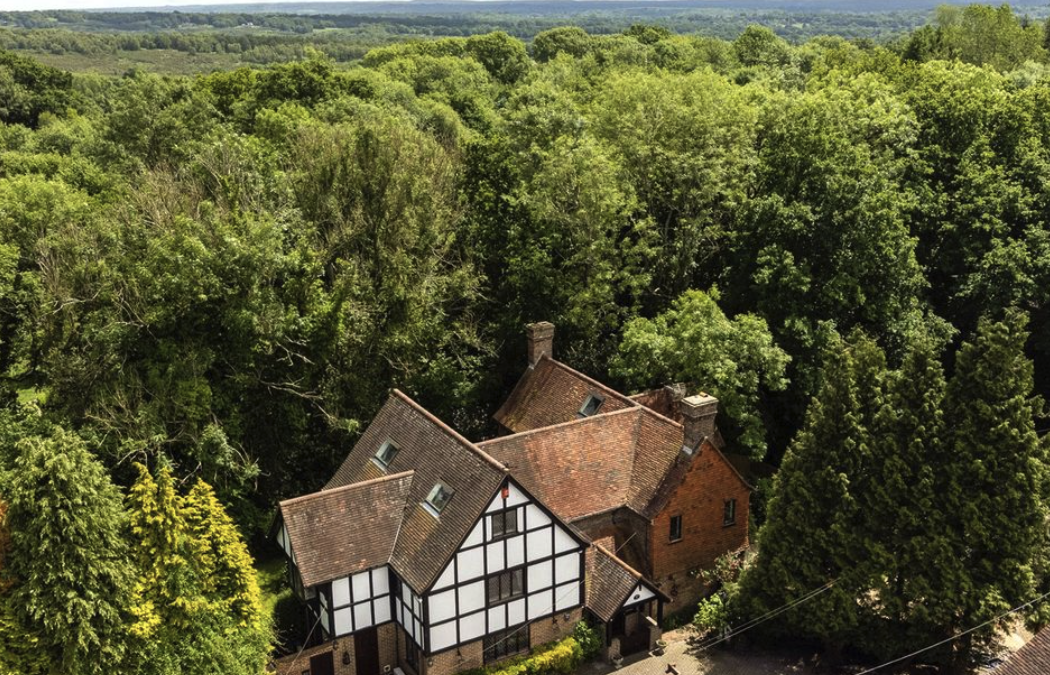
One of the most iconic features of Nutley’s building vernacular is the prevalence of traditional Sussex vernacular architecture. Characterized by charming half-timbered houses, this style is a testament to the region’s rich medieval heritage. Half-timbered houses are constructed with timber frames, where wooden beams form the skeletal structure, filled with wattle and daub or brick infill. The combination of black timber beams against white plaster or brick infill creates a striking visual contrast, adding to the village’s unique charm.
Thatched Roofs: Rustic Elegance
Another hallmark of Nutley’s building vernacular is the use of thatched roofs. Thatching is an ancient roofing technique, where dried vegetation, such as straw or reeds, is layered to create a waterproof and visually appealing roof. Thatched cottages dotting the landscape add a touch of rustic elegance to the village, evoking a sense of nostalgia and timelessness.
Local Materials: A Connection to the Land
Nutley’s building vernacular reflects a deep connection to the local landscape and available resources. Historically, building materials were sourced from the surrounding areas, ensuring that the architecture blends harmoniously with the natural environment. Local stone, clay, and timber were common elements used in construction, further anchoring the village’s buildings to their surroundings.
Preserving the Heritage: Conservation Efforts
Preserving Nutley’s architectural heritage is of utmost importance to the local community and authorities. Conservation efforts aim to protect and restore historical buildings, ensuring that future generations can experience the unique charm and character that defines the village.
Contemporary Influences: Embracing Modernity
While Nutley cherishes its historical roots, the village’s building vernacular also embraces contemporary influences. Modern architectural styles can be found alongside traditional buildings, creating an interesting juxtaposition of old and new. This integration of contemporary design elements allows Nutley to evolve while maintaining its distinct identity and sense of place.
Conclusion: Nutley’s Architectural Tapestry
The building vernacular in Nutley is a captivating tapestry of history, culture, and craftsmanship. The traditional Sussex vernacular, half-timbered houses, thatched roofs, and use of local materials are all woven together to create a picturesque and charming village setting. As Nutley continues to grow and evolve, its unique architectural heritage remains a vital thread in the fabric of this cherished community, providing a timeless and enduring connection to its past and a source of inspiration for its future.